HP Wants You to Rent Your Laptop Forever
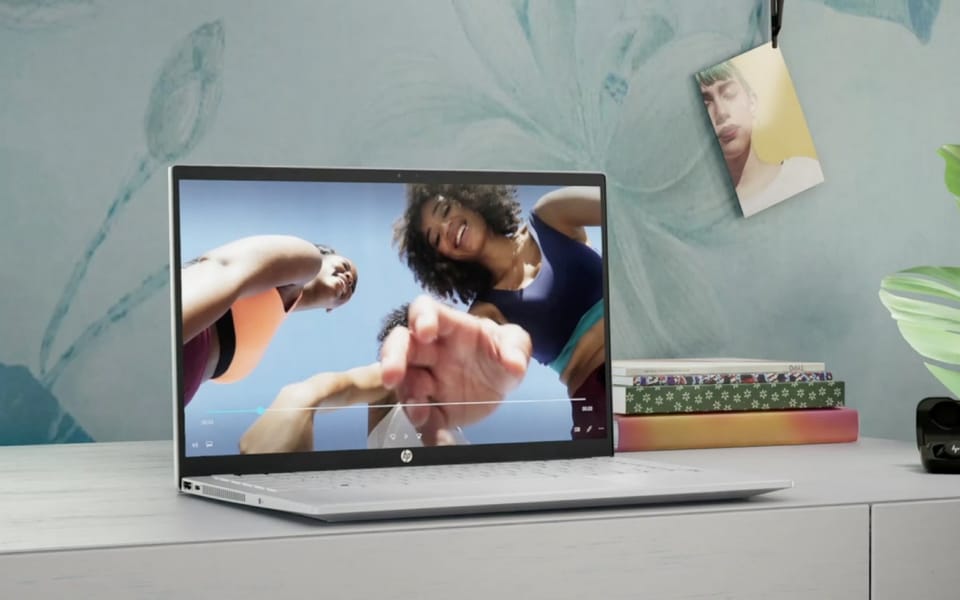
HP already had a laptop subscription service in the United States — and now it's extending that offer to HP OMEN gaming laptops. The pitch is deceptively simple: instead of buying a computer, you pay a monthly fee ranging from $34.99 to $129.99, depending on the model. In return, you get the device, 24/7 tech support, the option to upgrade to a new model after one year, and peace of mind about repairs.
Sounds reasonable, right? Here's the catch: you will never own the laptop.
HP Has Done This Before. With Your Ink.
This isn't HP's first rodeo with the subscription model. In fact, the company has been perfecting this playbook for over a decade through HP Instant Ink — a program that charges you a monthly fee not for a printer, but for the ink pages your printer produces.
The logic seemed consumer-friendly at first: instead of paying $40 for a cartridge when you run out, you pay a flat monthly fee (starting around $0.99 for 10 pages) and HP ships you ink before you even need it, tracking your usage remotely. No running to the store. No worrying about cartridges. Just printing.
But the fine print revealed something more uncomfortable: if you cancel your Instant Ink subscription, the cartridges that came with it stop working. They are remotely deactivated. The physical object in your hand — the ink cartridge you could hold, see, and smell — becomes inert plastic, not because it ran out, but because HP decided to turn it off. You were never paying for ink. You were renting access to it.
HP Instant Ink became one of the early case studies in what I call the subscriptocracy: the gradual colonization of products we used to own outright, replaced by access we rent indefinitely. What started with software (Microsoft Office, Adobe Photoshop) crept into media (music, films, books), and is now deep in the physical world — your car's heated seats, your gym equipment, and yes, your printer cartridges.
The OMEN subscription is simply the next logical step. From ink to the machine itself.
The Math of Perpetual Rental
Let's look at the numbers honestly, because the subscriptocracy depends on you not doing this calculation.
Take the HP Pavilion 16, the cheapest option in the service. It costs $769 if you buy it outright. With the subscription, you pay $34.99 per month.
By month 22, you will have paid the full purchase price. Keep it for 3 years: $1,259 — that's 64% more than buying. Keep it for 5 years: $2,099 — 173% more than buying. And at the end of those 5 years, you own nothing.
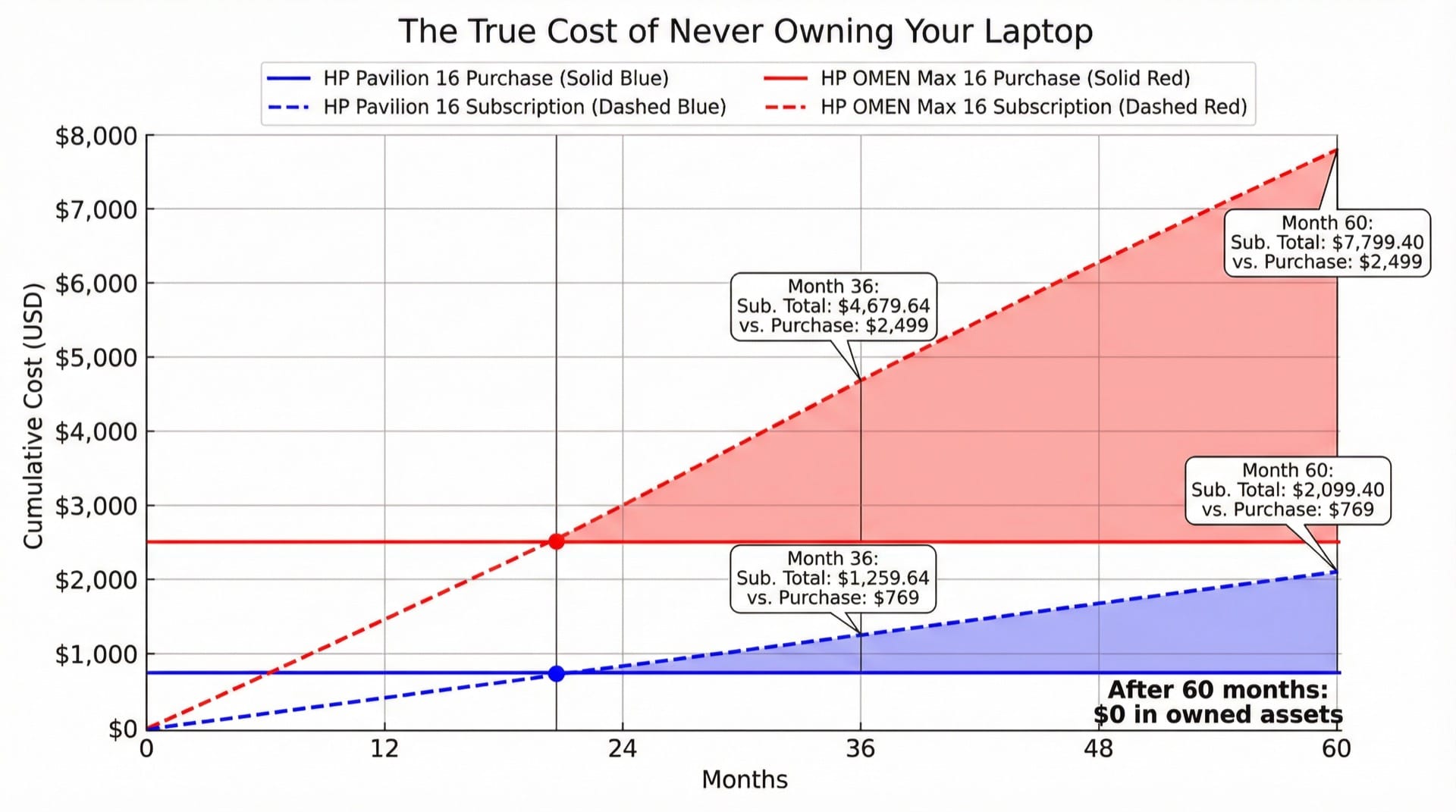
The most extreme case is the HP OMEN Max 16, the top-tier gaming laptop with an RTX 5080, retailing at $2,499. The subscription runs $129.99 per month.
In 5 years, you will have paid $7,799. That's more than triple the purchase price. And at the end of those 5 years, you still have nothing.
No asset. No resale value. Not even a paperweight.
Easy to Enter, Hard to Leave
Want to cancel? You can — but there's a penalty. If you cancel in the second month of having an OMEN Max 16, you'll owe up to $1,429. The penalty decreases month by month, and disappears after month 12. But during that first year, you are effectively locked in.
This is the subscriptocracy at its most functional: frictionless entry, costly exit. The pricing is designed to feel manageable ("just $129 a month") until the moment you want out, when the true cost of the arrangement becomes visible all at once.
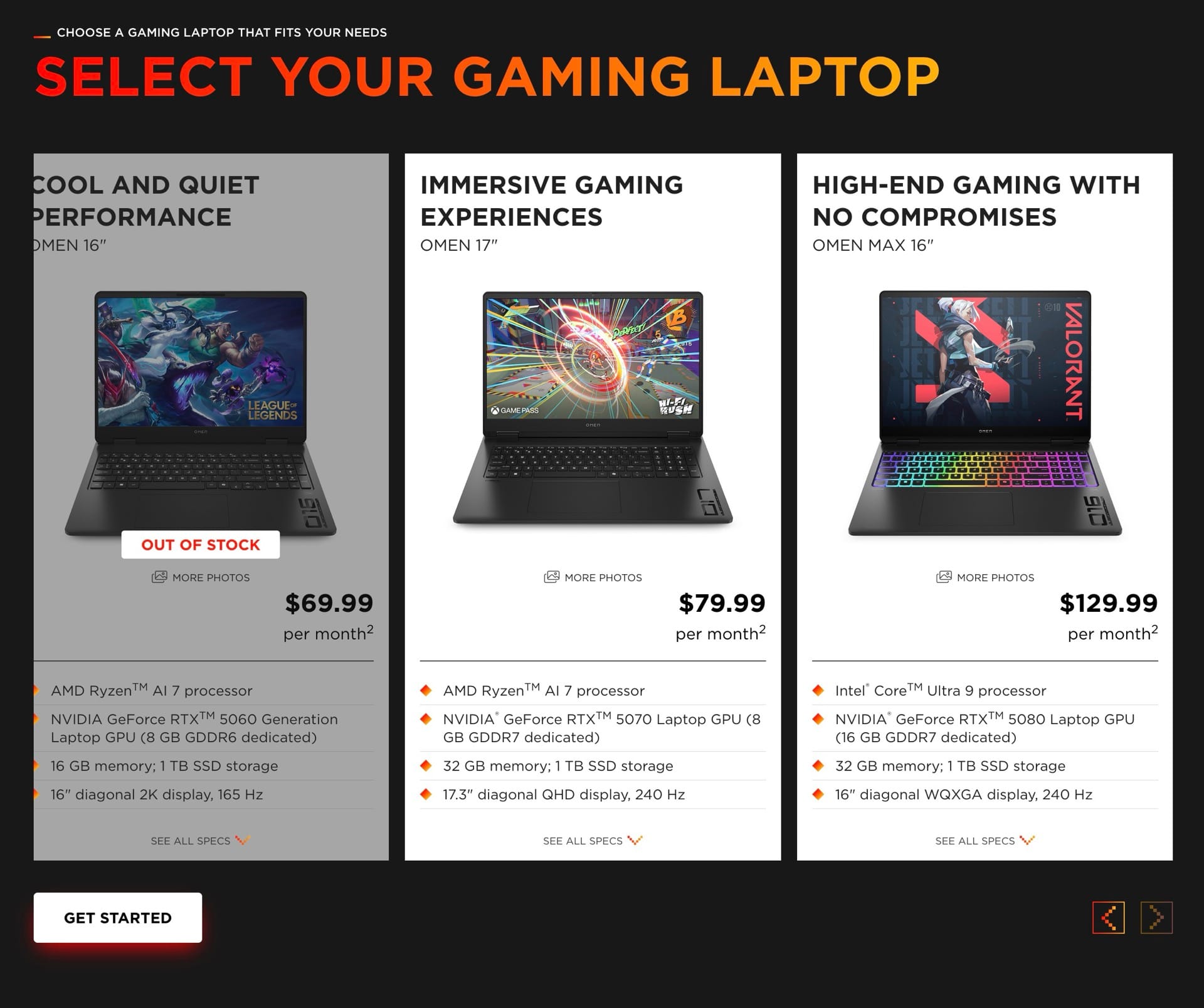
HP frames the service as a way to "escape the headaches of the upgrade cycle." And there genuinely is an audience for it: people who always need the latest hardware, people who can't afford $2,500 upfront, people who value bundled support. The pitch isn't dishonest, exactly.
But it obscures something important: this is not financing. When you finance a car, you make monthly payments and eventually the car is yours. This is different. No matter how long you pay, no matter how faithfully, the laptop never becomes yours, and in fact HP clarifies that "There is no option to own the gaming laptop you receive as part of your subscription. To purchase OMEN Gaming laptops, you can shop at our HP Store".
Ownership is the one thing the subscription deliberately withholds.
The Pattern Is Always the Same
HP didn't invent this. They're following a template that has been refined for decades — first in enterprise software, then in consumer media, and now in physical goods. The pattern has three phases.
First, the service is positioned as a convenience ("skip the hassle of buying"). Second, enough users adopt it that it becomes the default — and the purchase option becomes harder to find, less promoted, eventually more expensive. Third, ownership itself starts to feel old-fashioned, like insisting on buying DVDs in a streaming world.
We're somewhere between phase one and phase two with consumer hardware. Gaming laptops today. Desktop computers next. Eventually, if the model succeeds, ownership becomes the premium option — the thing you pay extra for.
That's the end state of the subscriptocracy: not a world where everything is rented because it's cheaper or better, but a world where owning things has become a luxury.
The Simple Test
Every time you see a subscription offer for something traditionally purchased, run the numbers. Multiply the monthly price by 36 months (3 years) and by 60 months (5 years). Compare that to the purchase price.
Then ask yourself one question: what do I have at the end of that period?
If the answer is "nothing" — if after years of payments you walk away with no asset, no resale value, no object that is yours — then you know exactly which side of the subscriptocracy you're on.
The laptop will keep working as long as you keep paying. The moment you stop, it goes back. Just like the ink cartridges.