Subscribe, Binge, Cancel: How Gen Z is Hacking the Subscriptocracy
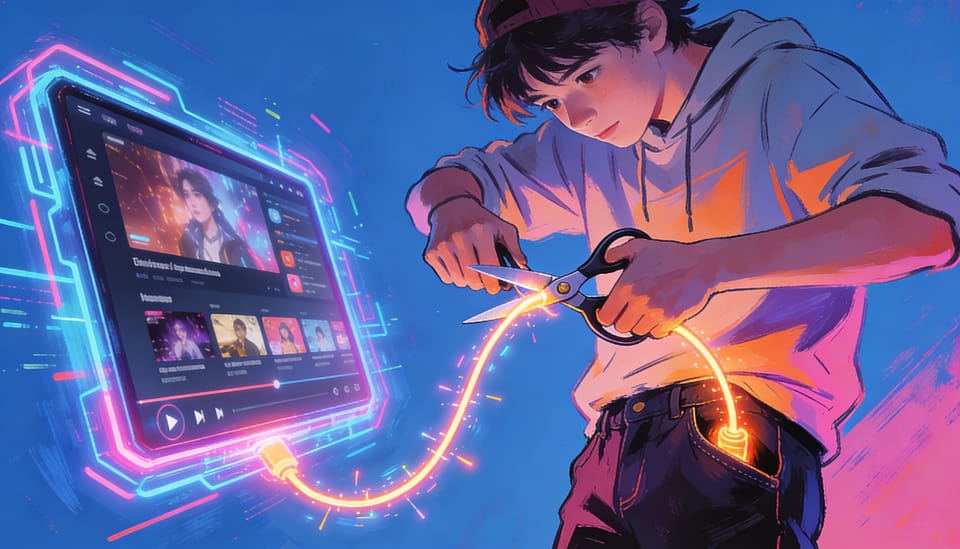
A recent report by Variety has revealed a trend that is worrying streaming and gaming executives. Generation Z —those born between the late 1990s and early 2010s— is treating subscriptions in a very different way. They sign up when a new season comes out, watch it before the month ends, and cancel immediately so they don't get charged for the next cycle. They do the same with video games: why buy a game forever when you can subscribe to a service, finish the game in one month, and leave?
In the industry, this is measured by the "churn rate," and right now, it is going up fast. Executives are worried. They are watching their predictable, recurring revenue become a volatile business where people only pay when there is something new. But while the industry sees this as a lack of loyalty, the reality is more complex. This is not a mistake in the system; it is a logical result. Welcome to the consumer rebellion inside the Subscriptocracy.
The Death of the "Gym Membership" Model
To understand why Gen Z does this, we have to look at how the subscription economy was built. For the last decade, digital businesses relied on the "gym membership model." The silent rule was simple: companies charge a monthly fee, betting that a large number of users will just forget to cancel if they don't use the service that often. Inertia was the product. The passive subscriber—paying for a service they barely used—was the perfect customer that made these companies rich.
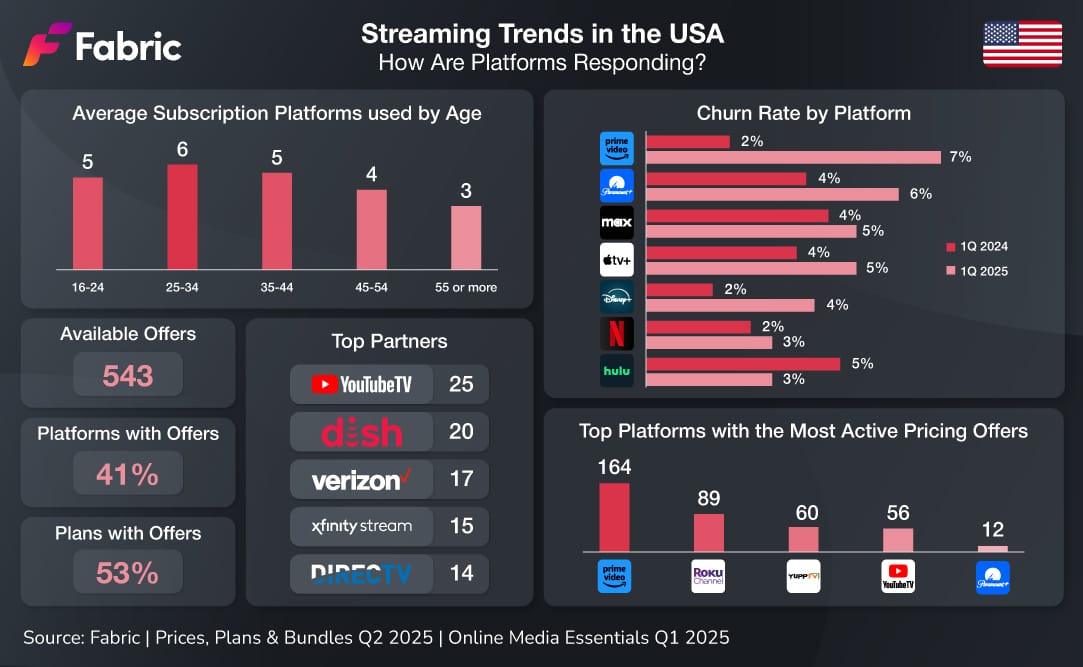
But Gen Z does not play by those rules. Growing up with inflation, economic uncertainty, and subscription fatigue, they apply strict financial logic to entertainment. They treat subscriptions exactly as they are: temporary access. They have turned the monthly subscription into a pay-per-view system. Subscribe for the month you need it, watch what you want, and cancel before the next automatic charge. It is a strict optimization of the billing cycle.
The Psychology of Access vs. Ownership
As I explore in Subscriptocracy, the big promise of the streaming era was convincing us that "having access" was better than "owning something." We traded our shelves of DVDs, our CD collections, and our game boxes for an infinite catalog.
But companies did not expect the psychological side effect of this change. When you own a physical object—or a permanent digital license—you feel attached to it. You have a library. You do not want to lose it. The Endowment Effect creates loyalty.
When you only rent access, there is no Endowment Effect. There is no emotional attachment. If Netflix removes a series for tax reasons, or if a game disappears from Xbox Game Pass, the user does not feel a real loss because they never owned it. Gen Z understands this perfectly. Their loyalty is not to the platform. Their loyalty is to the specific content. Once they watch The Last of Us or play the new Call of Duty, the platform's value drops to zero until the next big release. Because they own nothing, they have no reason to stay.
The Corporate Counterattack
If the monthly subscriber is hard to keep, the solution is to lock them in. We are already seeing how the industry reacts.
The most obvious is the push for annual subscriptions, with discounts to make the monthly option look expensive. This forces the user to commit long-term but has gotten Adobe into problems.
There is also the crackdown on password sharing, a move to make money from the practical habit of sharing accounts among friends. And now, platforms are adding merchandise and community features to their apps. They want you to open the app even when there is nothing new to watch, just to justify the monthly fee. They want the subscription to feel like a utility bill—something you cannot escape.
The Subscriptocracy Paradox
The irony is clear. The entertainment industry pushed us from ownership to access to guarantee infinite, predictable revenue. Instead, they created a generation of rational consumers who refuse to pay the "inertia tax."
This is the big paradox of the Subscriptocracy I write about: they sold us the convenience of not owning anything, but now we have to constantly manage our subscriptions so we don't lose money. Gen Z has just learned to play the game better than the companies. They subscribe for a month, they consume, they cancel.
The message to the industry is clear: if everything is a rental, the tenant will leave when the property is no longer useful. If companies want us to stay, they can't rely on our laziness. They have to offer something that actually feels like ours.
If you want to understand how we handed over our ownership in exchange for permanent access—and what it means for our digital future—this is the core of my book, Subscriptocracy: How Subscriptions Took Over the World. You can get it here.
Image | AI generated with Magnific